Us&Co Blog
Is Hybrid Working Here To Stay?
For a lot of people, hybrid working started as a temporary solution in the pandemic, but it’s since turned into a key part of how many businesses operate. This has led to many offices finding a way to blend remote work with time spent in the workplace, but is hybrid working here to stay?
The Benefits of Hybrid Working
- One of the main benefits of hybrid working is work-life balance. By cutting down on daily commutes, employees have more time to focus on wellbeing and stress is reduced.
- The extra flexibility that comes with hybrid working allows employees to structure their work around personal commitments, such as childcare and pets.
- Offering hybrid working also helps businesses to attract and retain staff. For many candidates, flexible working is an expectation.
- For businesses, hybrid working can reduce costs. With fewer employees in the office at any one time, businesses can downsize physical workspaces. Instead of needing a desk per person, shared spaces, meeting rooms and hot desking are possible.
- Hybrid working can also improve collaboration, as time in the office becomes more purposeful, focused around meetings and team connection, rather than keeping on top of day-to-day tasks.
Are There Downsides of Hybrid Working?
Though there are advantages of hybrid working, there’s also a downside or two. For example, maintaining company culture can be challenging. When teams are split between locations, it can be harder to build relationships, encourage spontaneous collaboration and ensure everyone feels equally included. Communication can also be more difficult, as relying on digital tools can lead to misunderstandings or delays.
There’s also the issue of space. Though hybrid working can reduce the need for large offices, businesses still need somewhere for in-person collaboration. Without careful planning, offices can end up underutilised or poorly designed for hybrid working.
How is Us&Co Adapting to the Move Towards Hybrid Working?
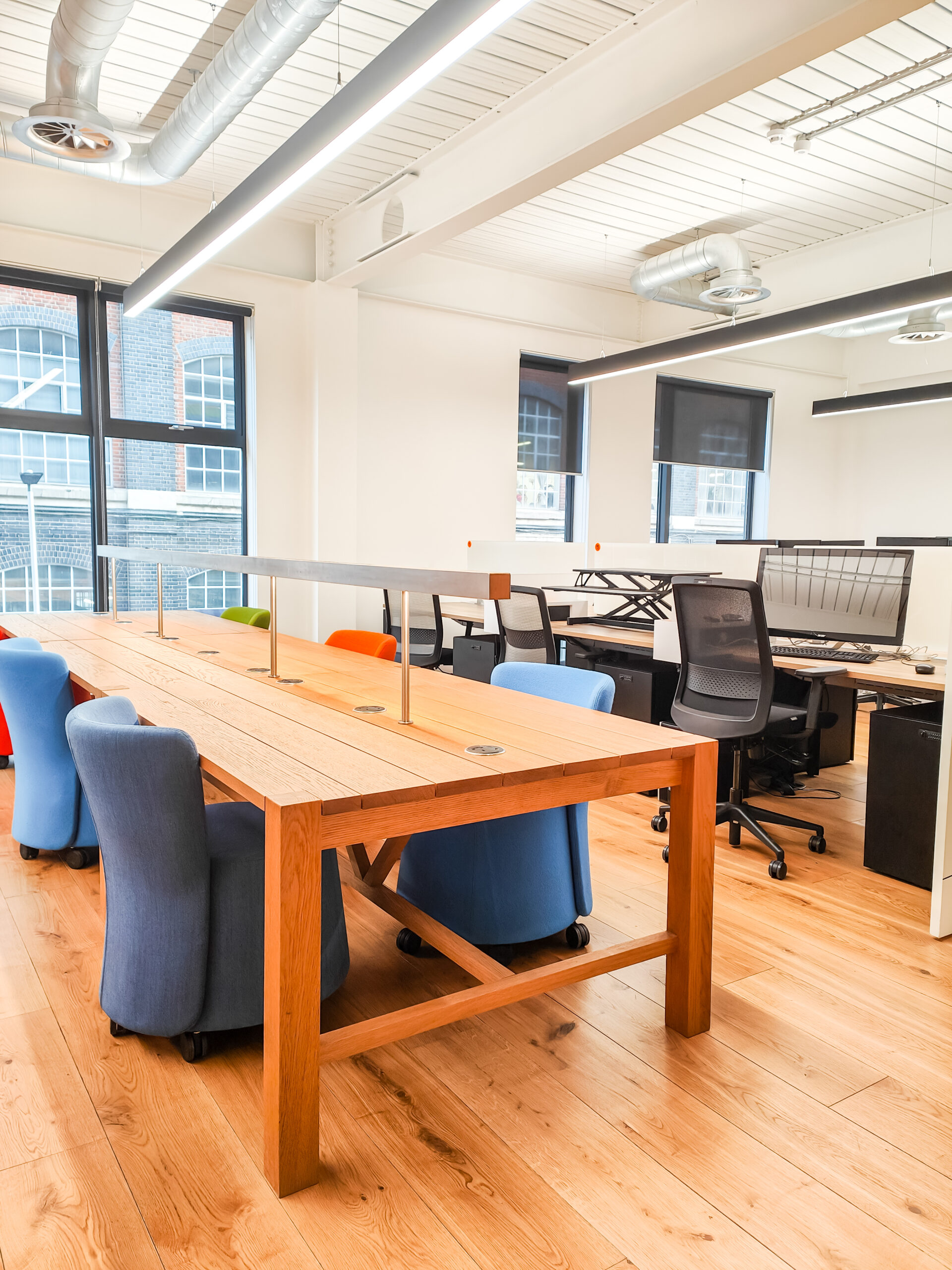
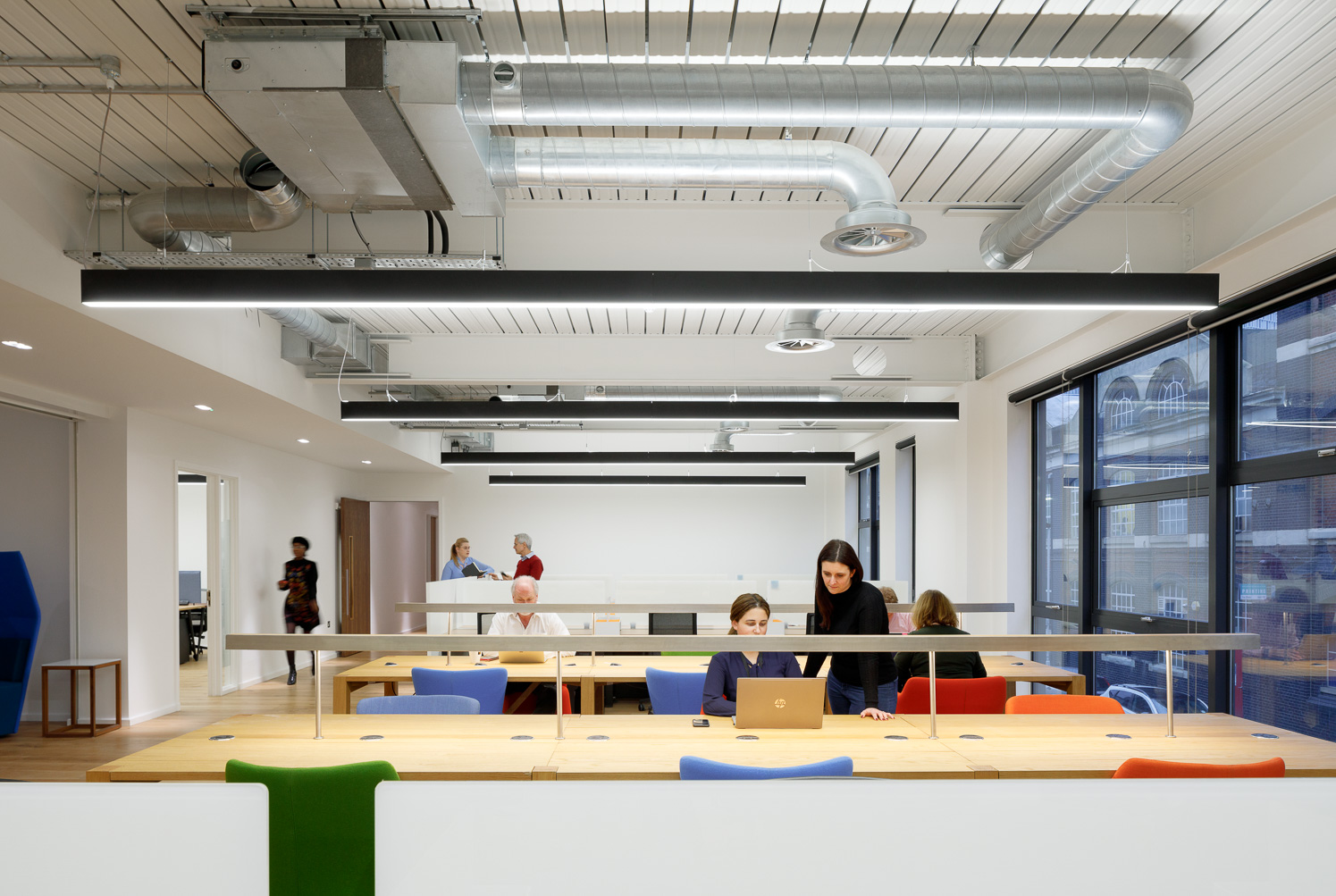
At Us&Co, we’ve seen how quickly workplace expectations have changed. Businesses aren’t just looking for office space, they’re looking for flexibility, scalability and working environments that actually support how their employees want to work. But, rather than treating hybrid working as a challenge, we’ve built our spaces around it.
Our workspaces are designed to be flexible, enabling businesses to scale up or down depending on their needs. When teams come together in person, they need workspaces that are properly equipped for collaboration, presentations and hybrid working, and they’re all boxes we help businesses to tick. Plus, we support businesses through the transition itself, making sure the move to hybrid working is a smooth one.
Hybrid Working FAQs
What is hybrid working?
Hybrid working is a flexible approach where employees split their time between working remotely, usually from home, and working in an office.
Why are so many businesses embracing hybrid working?
Businesses are using hybrid working models to improve flexibility, reduce overhead costs and attract candidates who value work-life balance.
How often do hybrid workers go into the office?
It varies from one business to the next. Some teams go in two or three days a week, whereas others attend only for meetings or specific projects.